An Interview with the Illustrator
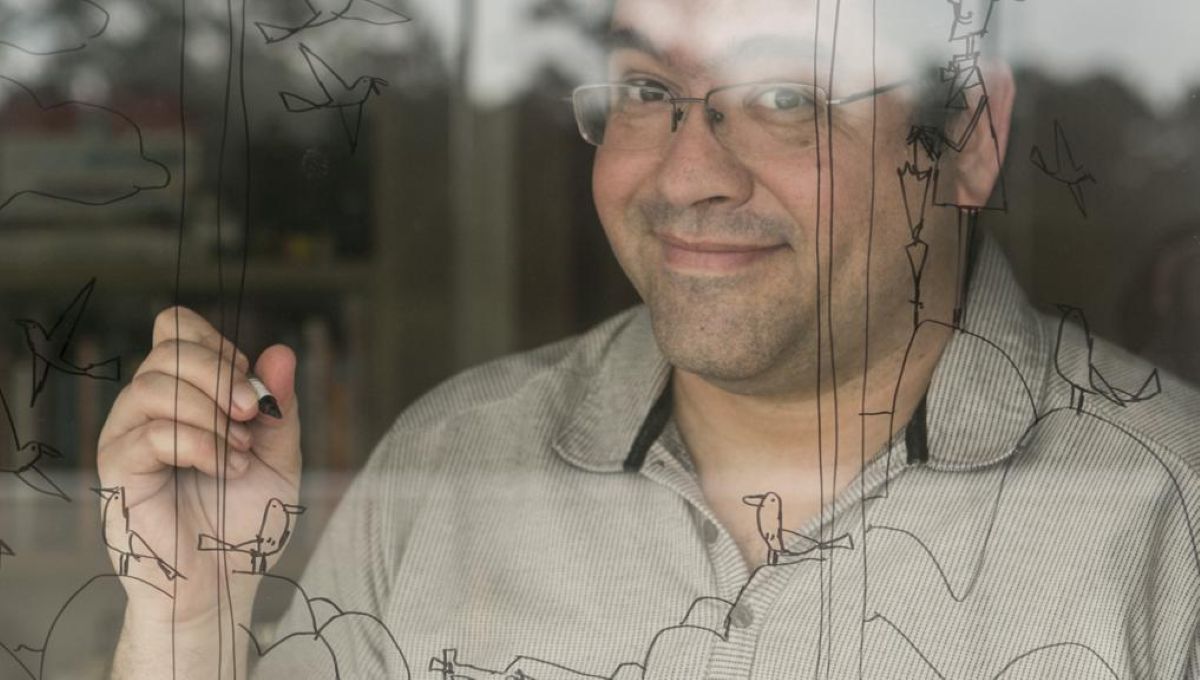
Behind the Scenes: Interview with the Illustrator of Papimento and the Chocolate Mountains — Rogério Coelho
From the bustling streets of Brooklyn to the magical Chocolate Mountains of Switzerland, the world of Papimento and the Chocolate Mountains bursts with imagination and visual wonder. We sat down with the book’s illustrator, Rogério Coelho, to explore his creative process, artistic inspiration, and the journey behind bringing this deliciously fantastical story to life.

First Impressions
Q: What was your first reaction when you read the story of Papimento and the Chocolate Mountains?
A: When I receive a text to illustrate, my reaction is usually one of joy and, at the same time, a certain concern. Joy because the author or publisher chose me for the task, and concern because I understand the enormous responsibility of making that text and its characters exist visually. This includes meeting expectations and striving for excellence within my work.
Character Design & Worldbuilding
Q: Where did you find inspiration for Papimento and the other characters in the book?
A: Orly had in mind how the characters should look. This kind of creative construction isn’t always easy — it takes trial and error until you find the right way. There’s a balance between what the author envisions and my own drawing style. The text gives great insight into the characters’ personalities, which fuels the creative process and helps me bring them to life. Even with experience, it’s always a challenge to make them visually engaging and fun.
Q: How did you approach illustrating such different settings — Brooklyn, Switzerland, the chocolate factory, and the Chocolate Mountains?
A: Visual research is essential to establishing these environments. I always start from reality, then filter it through my artistic lens. Drawing from real life lends credibility and grounding to the images. When dealing with actual places, you can’t rely solely on memory — although over time, familiarity helps. But in the beginning, real-life reference is non-negotiable.
Q: Were there specific emotions, themes, or messages you aimed to express through the illustrations?
A: Yes. I used a slightly different drawing aesthetic than I have in other works to ensure character interactions — like their gaze and body language — were very clear. I explored animation-like techniques so the characters could “act” more physically. This helped convey the story’s deep sense of friendship, which transcends geography or race. That theme was very important to me.
Q: Do you have a favorite illustration or scene in the book? Why that one?
A: I really enjoyed several scenes, but the one where Papimento and Emma are caught in an avalanche — and saved — is my favorite. It was a huge visual challenge with a lot happening at once. The scene needed to be informative, emotional, and beautiful all at the same time. I drew on my comic book experience and used narrative techniques from that medium. In the end, I was really happy with how it turned out. It adds visual variety and energy to the story.
Tools & Creative Process
Q: What tools or mediums did you use for the illustrations (digital, watercolor, etc.)?
A: The entire project was created digitally — from initial sketches to final colored illustrations.
Q: Were there any moments in the story that inspired you to try something different artistically?
A: Yes. Early on, I experimented with more graphic, stylized finishes, but later I moved toward more detailed and realistic depictions of the landscapes — the mountains, trees, rocks. I felt I owed the reader that immersive experience. This decision made the process more labor-intensive, but it was worth it.
Meaning & Impact
Q: What do you hope children (or readers) feel when they see your illustrations?
A: My drawings are my way of connecting with readers. I hope they enjoy the images, feel connected to the characters and the settings, and have a fun, meaningful experience that stays with them.
Q: What makes Papimento and the Chocolate Mountains special to you as an illustrator?
A: It’s a book full of artistic and narrative challenges. From character development to detailed settings and emotional storytelling, it required deep dedication. That kind of commitment makes a project feel like a milestone — and this book certainly is one for me.
The Illustrator’s Journey
Q: Your background as an illustrator is quite broad and diverse. Can you tell us about your journey and how you got started?
A: I started drawing when I was very young. At home, my mother would be baking bread on one side of the table, and I’d be on the other side with my paper and pencils, drawing. I’d show her my work and listen to her feedback. She wasn’t a professional artist, but she had a great sensitivity and love for drawing. Those moments are among my most cherished memories and a big part of what shaped my path.
Q: You’ve won several awards — congratulations! What advice would you give to aspiring illustrators?
A: In addition to my work, I mentor artists looking to advance their careers. Illustration requires time, discipline, and a lot of perseverance — and frustration is part of the process. It’s a journey with no real finish line, just stages of growth. Being aware of that, and embracing it, is essential. Recognition and awards might come, but the real goal is to do your best work — consistently and passionately.
Final Thoughts
We’re so grateful to Rogério Coelho for sharing his insights and imagination with us — both in this interview and through the pages of Papimento and the Chocolate Mountains. His illustrations bring the fantasy world to life with richness, warmth, and heart.If you haven’t yet explored this whimsical adventure, now’s the time.
Similar Posts
Sweet Chocolate Facts from Around the World!
How to Raise Brave, Kind Fantasy Adventurers (No Dragons Required!)
The Tale of Leo and Buddy: A Lesson in Friendship
Let’s Keep In Touch!
Subscribe for magical stories, events, printable activities, and special surprises for kids, parents, and teachers!